The Digital Marketing Agency That Manufactures Viral Moments

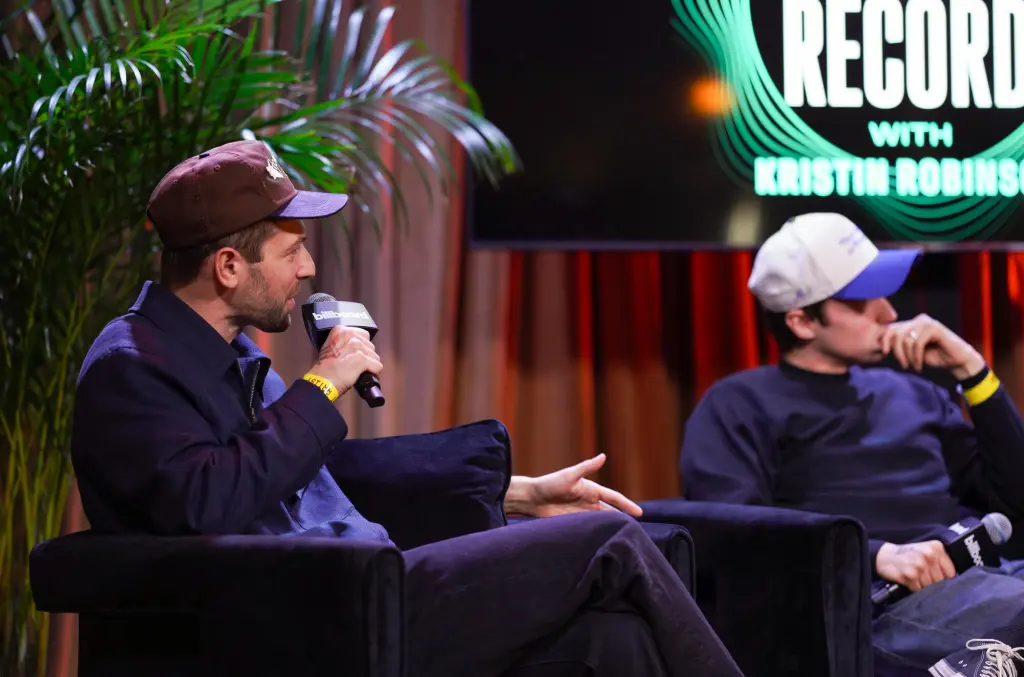
Chaotic Good was founded in February 2025 by Jesse Coren and Andrew Spelman, former managers of Chelsea Cutler and Quinn XCII, and digital marketing specialists Tim Weber and Adam Tarsia. Their pitch: they take the marketing burden off the artist entirely.
"There's so much pressure on the artist — how much are they posting, have they posted today, why haven't they posted?"
Coren said in a Billboard interview earlier this year.
Their core method is something they call trend simulation. When a song goes viral organically, there are patterns: who picked it up first, what format worked, where the momentum came from. Chaotic Good studies those patterns and applies them to songs that aren't going viral on their own. TikTok's algorithm treats heavily-used audio as trending, which improves the artist's own posts. So Chaotic Good floods the zone, posting at volume across hundreds of accounts until the algorithm registers the song as moving.
It runs on real phones. Thousands of TikTok pages, a large network of employees and contractors, no bots, no AI-generated content. Coren: "Our office is overrun with iPhones."
Before parts of their website disappeared, their services broke into four areas: UGC campaigns where accounts post content featuring an artist's song, fanpage campaigns run as if by real superfans, narrative campaigns that shape perception by flooding comments, and standard brand and press work. The narrative campaign section was the first thing they deleted.
Content is tailored by genre. Underground rap gets stretched video game clips. Singer-songwriters get quote cards with yellow text on pastel backgrounds, a format Chaotic Good claims they invented and call "Pastel Tok." Country gets trucks and cowboy hats. When an SNL performance drops at midnight, their team floods comment sections calling it the best performance of the year before any real reaction can form.
Then there's Geese. The Brooklyn indie rock band released Getting Killed in September 2025, dominated year-end lists, sold out their tour, played SNL, played Coachella. Online, people almost immediately started calling them a psyop. Those people weren't entirely wrong. Chaotic Good ran a confirmed UGC campaign for the band. Co-founder Adam Tarsia told WIRED they helped distribute clips of Geese performing and doing interviews on TikTok. Cameron Winter's "Love Takes Miles" had a narrative campaign listed on the site before it was pulled.
What cracked it all open was a Substack essay. On March 31st, singer-songwriter Eliza McLamb read the Billboard interview, screenshotted Chaotic Good's full website, and published a piece called "Fake Fans." It went viral. Within a day, Chaotic Good had pulled the narrative campaign section and removed several artists from their client page. Their stated reason: protecting artist partners from false accusations. McLamb's response: she said she just listened to an interview and poked around a website.
The confirmed client list, documented before the deletions: Dua Lipa, Justin Bieber, Shawn Mendes, Travis Scott, Chappell Roan, Geese, Mk.gee, Wet Leg, Laufey, Mitski, Tame Impala.
Whether any of this actually drove Geese's rise is unproven. The band had Rolling Stone and New York Times coverage going back to 2021, four years before Chaotic Good existed. Garbage Day looked into the confirmed accounts and found the biggest one had around 64,000 followers and most videos pulled only a few hundred views.
None of that is really the point anyway. One industry source told WIRED that Atlantic Records runs no fewer than 30 accounts on behalf of Alex Warren in-house. Independent artists without this budget are competing against campaigns they can't see. Every band that pays to game the algorithm makes organic discovery harder for the band that can't.
I don't think Geese is a fraud. But the conversation around them wasn't as organic as it looked.