Spotify Turns the AI Music Fight Into a Revenue Model

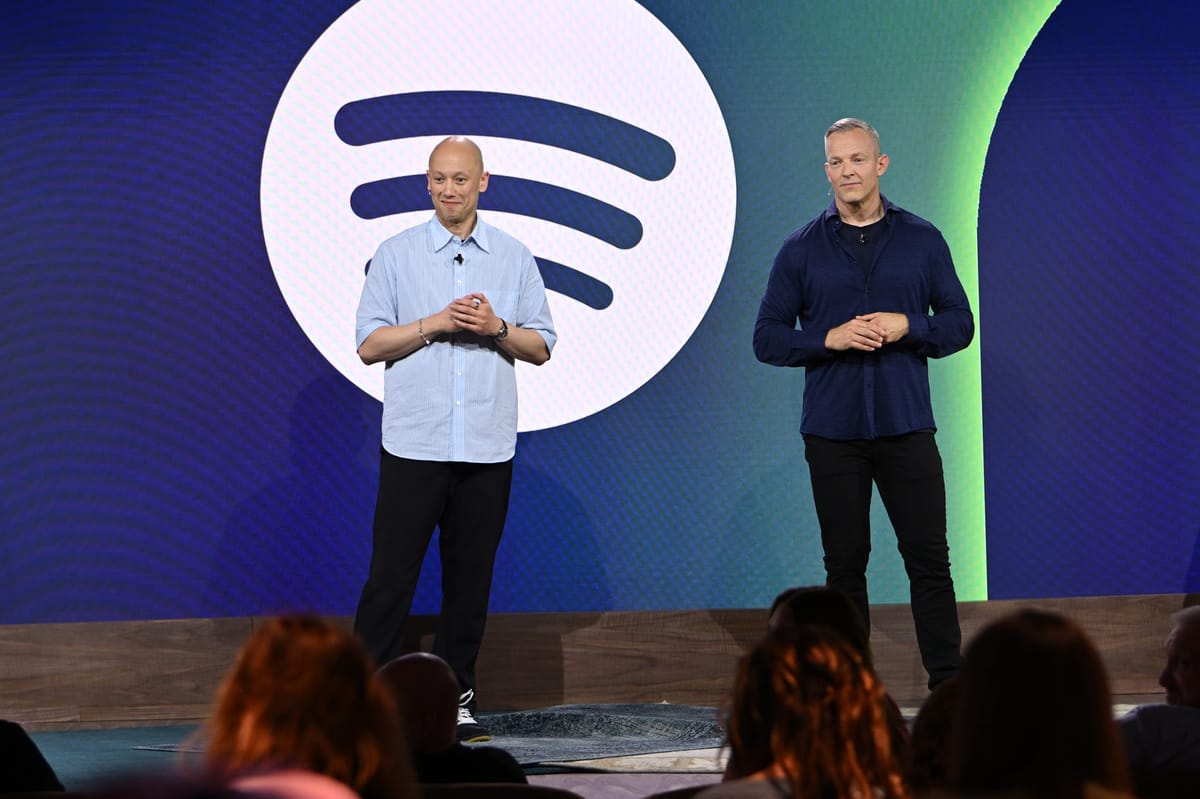
Spotify and Universal Music Group just signed licensing agreements covering both recorded music and publishing rights, letting fans generate AI covers and remixes of participating artists' songs. It's the first deal of this kind at this scale, and it lands at a moment when the rest of the industry is still fighting AI companies in court.
What the tool does
The feature lets Spotify Premium users generate AI covers and remixes of songs from UMG artists who choose to participate. A few key details:
- Artists can opt out entirely
- Those who participate collect royalties on AI-generated versions
- The tool launches as a paid add-on for Premium subscribers, with initial usage capped before requiring purchase
- Pricing and launch date haven't been announced
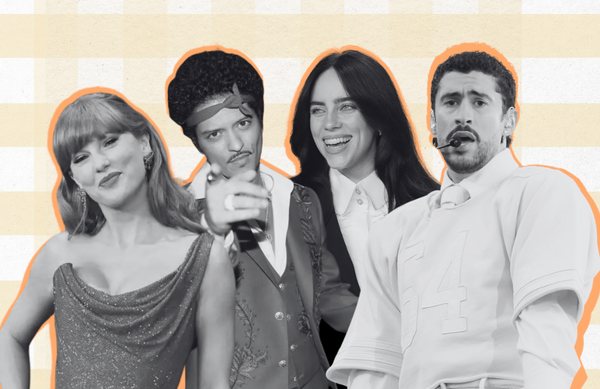
UMG's roster includes Taylor Swift, Ariana Grande, Billie Eilish, and Drake. Which artists are opting in hasn't been disclosed.
Why this deal is different
Suno and Udio are both facing lawsuits from major labels for training their models on music without permission. This deal is the explicit alternative: master rights and publishing rights licensed upfront, royalties built in, artists in control of their participation.
That framing "consent, credit, compensation" is deliberate. Both Spotify and UMG are positioning this as the responsible path forward.
It also didn't come out of nowhere. In October 2025, Spotify had announced a responsible AI framework with UMG, Sony, Warner, Merlin, and Believe.
The business logic
Spotify's next growth play isn't adding more subscribers at the standard tier. It's getting a smaller slice of its 293 million premium subscribers to spend significantly more. Licensed AI tools are central to that strategy.
If even a fraction of that base pays for add-ons like this, the math shifts fast. And if it works, the other majors won't stay on the sidelines.
What still has to prove out
Two things have to work for this model to hold. Fans have to be willing to pay to remix their favorite artists' songs, and artists have to decide the royalty upside is worth lending their catalog to AI-generated versions of their work.