How Taylor Swift's 2018 Deal Determines What UMG Artists Earn From its $1.4B Spotify Stock Sale

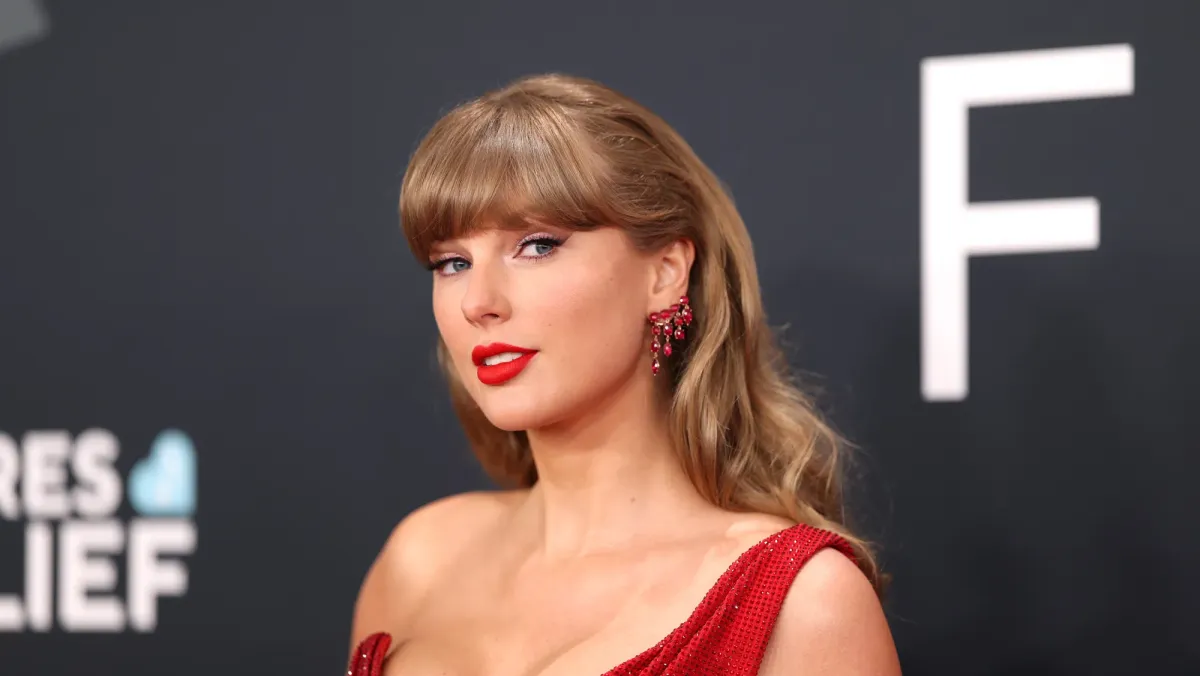
UMG confirmed on April 29 it's selling half its 3% Spotify stake, worth up to $1.4 billion. Every artist on the roster gets a share thanks to a clause Taylor Swift negotiated into her 2018 signing deal.
The backstory is important to mention here. When the major labels first licensed their catalogs to Spotify in the late 2000s, they took equity in the platform as part of those deals. Sony and Warner had both committed to passing sa portion of those gains to artists before UMG made the same promise in early 2018. But the commitments weren't identical: Sony paid out regardless of recoupment status. But Warner didn't, so artists still in debt to the label got nothing, and most of the money went back to the company.
Swift was signing with UMG the same year. She pushed for the Sony model, and she got it. The non-recoupable term she locked in means that when UMG sells Spotify stock, artist debt doesn't factor into who receives payment. That clause is now paying out across thousands of artists.
In Swift's own words, November 2018:
As part of my new contract with Universal Music Group, I asked that any sale of their Spotify shares result in a distribution of money to their artist, non-recoupable. They have generously agreed to this, at what they believe will be much better terms than paid out previously by other major labels. We are headed toward positive change for creators — a goal I’m never going to stop trying to help achieve, in whatever ways I can.
How much each artist gets depends on their royalty deal and their share of UMG's streaming revenue, which means top artists could make millions. UMG hasn't specified the timeline or the exact split between artist payouts and shareholder distributions.
This isn't the first time Swift used her leverage to shift the industry.
- She pulled her catalog from Spotify in 2014 over low royalty rates and didn't return until 2017.
- In 2015, she published an open letter demanding Apple pay artists during the free trial period of Apple Music's launch. Apple reversed it within days.
- The 2018 UMG deal follows the same pattern: a specific, structural ask with consequences that reach well beyond her own contract.
A clause she called the most important part of her deal is now paying out to thousands of artists. And it required exactly one artist willing to make it a condition of signing.